

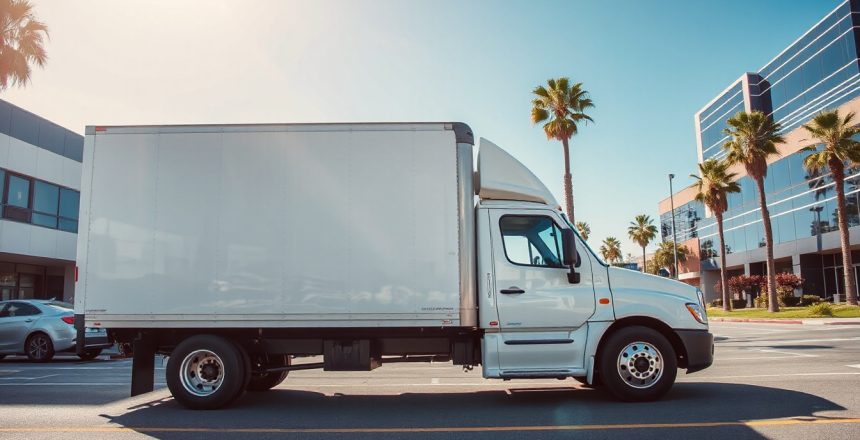
As a business owner in California, you may find yourself frequently on the move, whether delivering products, meeting clients, or transporting equipment.
However, with every mile traveled, the risk of accidents and liabilities increases, making it paramount to have the right protection in place.
That’s where commercial auto insurance comes into play.
Understanding the ins and outs of commercial auto insurance in California is not just about compliance; it’s about safeguarding your business and ensuring that you are protected against potential financial losses while operating on the busy roads of the Golden State.
In this essential guide, we will explore the significances of commercial auto insurance, the types of vehicles it covers, crucial policy features, and how to choose the right provider for your business needs.

Key Takeaways
- Commercial auto insurance protects businesses from financial losses due to vehicle-related incidents.
- In California, various types of commercial vehicles, including trucks and vans, are covered under commercial auto insurance.
- Key features of policies include liability coverage, physical damage coverage, and medical payments.
- Premiums are influenced by factors such as vehicle type, driving history, and coverage limits.
- Businesses must comply with California’s legal requirements for commercial auto insurance to ensure protection and avoid penalties.
Understanding Commercial Auto Insurance: Definition and Importance
### Understanding Commercial Auto Insurance: Definition and Importance
Commercial auto insurance in California is a specialized coverage designed to protect businesses that use vehicles as part of their operations.
This type of insurance is vital for any business that relies on vehicles for transporting goods, delivering services, or even picking up clients.
Unlike personal auto insurance, which is tailored for individual drivers, commercial auto insurance encompasses risks associated with business operations, including liability coverage for bodily injury and property damage caused by company vehicles.
It also provides protection against damage to the vehicles themselves from accidents, theft, or vandalism.
Understanding the nuances of commercial auto insurance is essential for business owners in California, as it not only safeguards the company’s assets but also helps ensure regulatory compliance.
Without appropriate coverage, businesses risk facing significant financial losses in case of accidents, legal claims, or damages that could severely impact their operations.
Types of Commercial Vehicles Covered in California
### Types of Commercial Vehicles Covered in California
When considering commercial auto insurance in California, it’s essential to understand the various types of vehicles that can be covered under this policy.
Businesses often rely on different kinds of vehicles for their operations, each of which may require specific coverage tailored to unique risks.
Primarily, commercial auto insurance in California encompasses the following vehicle types:
1.
Passenger Vehicles: This category includes cars and trucks used for business purposes, such as transporting employees, customers, or clients.
If you are using a vehicle primarily for business, securing commercial auto insurance is crucial.
2.
Delivery Vehicles: These are typically vans or trucks used for delivering goods or services.
Given the high volume of interactions with the public and the potential for accidents during deliveries, having robust insurance is vital to protect your business from liability.
3.
Fleet Vehicles: Companies with numerous operational vehicles, such as logistics firms or transportation companies, often need fleet insurance.
This type of coverage allows for streamlined management of commercial auto insurance in California, providing comprehensive coverage across multiple vehicles.
4.
Construction Vehicles: Specialty vehicles like bulldozers, cranes, or dump trucks that are essential for construction operations also fall under commercial auto insurance.
These vehicles are often at higher risk, so having the right coverage is crucial to mitigate potential liabilities.
5.
Buses and Shuttles: For businesses that provide transportation services, such as shuttle companies or large-scale event transportation, commercial auto insurance can be tailored to cover larger passenger vehicles.
6.
Motorcycles and Specialty Vehicles: Businesses that utilize motorcycles or specialized vehicles for commercial purposes, like food trucks, need specific coverage ensuring all unique risks associated with these vehicles are adequately addressed.
Understanding the different types of commercial vehicles covered is a crucial step for business owners in California to ensure compliance with state laws and protection against financial loss.
If you’re uncertain about your current vehicle coverage or how to tailor it to your specific business needs, seeking expert guidance can be invaluable.
‘The best way to predict the future is to create it.’ – Peter Drucker

Key Features of Commercial Auto Insurance Policies
### Key Features of Commercial Auto Insurance Policies
When it comes to protecting your business vehicles, understanding the key features of commercial auto insurance in California is crucial.
This specialized insurance policy provides coverage for vehicles used primarily for business purposes, safeguarding your assets against a variety of risks.
Here are some essential features to consider:
1.
Liability Coverage: This is the cornerstone of any commercial auto insurance policy in California.
It covers bodily injury and property damage that you may cause to third parties in an accident.
Depending on the limits you select, this coverage can protect your business from large financial losses resulting from lawsuits or claims.
2.
Collision Coverage: This feature pays for repairs or replacement of your business vehicle after an accident, regardless of who is at fault.
Given the busy roads in California, this coverage is vital for businesses that rely on transportation.
3.
Comprehensive Coverage: This aspect protects against non-collision-related incidents such as theft, vandalism, natural disasters, or hitting an animal.
Having comprehensive coverage ensures that your vehicles are protected from unexpected, yet costly, events that can disrupt your operations.
4.
Uninsured/Underinsured Motorist Coverage: This is essential in California, where many drivers may not have adequate insurance.
This coverage protects your business in case one of your vehicles gets into an accident with an uninsured or underinsured driver, ensuring your company’s financial stability.
5.
Medical Payments Coverage: This feature helps cover medical expenses for you and your passengers in the event of an accident, regardless of fault.
Ensuring that your employees or clients are protected can help maintain morale and trust in your business’s commitment to safety.
6.
Hired and Non-Owned Auto Coverage: If your business uses vehicles that it does not own—such as employee cars for business purposes or rented vehicles—this coverage can be crucial.
It provides liability protection when these vehicles are used for business activities, filling in gaps that your regular policy may not cover.
By understanding these key features of commercial auto insurance in California, you can better evaluate your business’s coverage needs and make informed decisions.
As an experienced commercial insurance broker, I am here to help you navigate these complexities and ensure your business is fully protected.
If you would like help reviewing your current business insurance coverage or exploring better protection options for your company, Shalom Samya, Partner at Zolo Insurance Services in Los Angeles, can provide professional guidance and tailored insurance solutions for your business.
Factors Affecting Commercial Auto Insurance Premiums
When it comes to securing reliable commercial auto insurance in California, understanding the factors that influence your premiums is essential for business owners.
Several key elements play a critical role in determining how much you’ll pay.
First, the type of vehicles you operate can significantly affect your rates; larger vehicles or those with higher value typically incur higher premiums.
Additionally, the purpose for which you use your vehicles—be it delivery, transportation of goods, or providing services—also plays a part.
Another crucial factor is the driving records of your employees.
A history of accidents or traffic violations can lead to increased insurance costs, while a clean record may help reduce your premiums.
Furthermore, the geographical area where your business operates matters; regions with higher rates of theft or accidents may result in higher premiums.
Lastly, the overall coverage limits and deductibles you choose will directly impact your payment.
Opting for a higher deductible can lower your premium, but it also means you’ll pay more out of pocket in the event of a claim.
By evaluating these factors, business owners can work towards finding competitive commercial auto insurance in California that meets their specific needs while protecting their assets.

Legal Requirements and Regulations for Commercial Auto Insurance in California
Understanding the legal requirements and regulations for commercial auto insurance in California is crucial for business owners who operate vehicles as part of their operations.
The state mandates that all drivers must carry a minimum level of liability coverage in order to be legally compliant.
Specifically, California requires businesses to have at least $15,000 in bodily injury coverage per person, $30,000 in bodily injury coverage per accident, and $5,000 in property damage coverage.
Additionally, depending on the nature of your business, you may also need to consider other types of coverage such as physical damage coverage, uninsured motorist coverage, and medical payments coverage.
It’s essential for business owners to not only adhere to these legal requirements but also evaluate their specific risks to ensure they have adequate protection.
As an experienced commercial insurance broker, I often guide clients in selecting the appropriate level of commercial auto insurance in California to mitigate potential losses and comply with the law efficiently.
Being proactive in understanding these regulations can ultimately protect your business from costly liabilities.
Tips for Choosing the Right Commercial Auto Insurance Provider
When it comes to protecting your business vehicles, choosing the right provider for commercial auto insurance in California is crucial.
Here are some tips to guide you through this important decision-making process.
First, consider the provider’s reputation—look for a company with strong financial stability and positive customer reviews.
This can help ensure that they will be able to meet your claims needs efficiently.
Second, assess their coverage options to ensure they align with your specific business needs, such as liability, property damage, and comprehensive insurance.
It’s also important to inquire about any discounts they offer, as this can lead to significant savings.
Finally, find a broker who will take the time to understand your business and tailor the insurance solutions accordingly.
Local expertise in California’s unique regulations and risks can make a significant difference in your coverage choices.
As a seasoned commercial insurance broker at Zolo Insurance Services, I can provide invaluable insights that help you navigate the complexities of commercial auto insurance in California, ensuring that you select a provider that best protects your business interests.
Frequently Asked Questions
What is commercial auto insurance and why is it important?
Commercial auto insurance provides coverage for vehicles used for business purposes.
It is essential to protect your business from financial losses due to accidents, theft, or liability claims.
What types of commercial vehicles are covered under commercial auto insurance in California?
In California, commercial auto insurance can cover a wide range of vehicles including cars, trucks, vans, and specialty vehicles like delivery vans or construction vehicles, as long as they are used for business purposes.
What are the key features to look for in a commercial auto insurance policy?
Important features may include liability coverage, collision and comprehensive coverage, uninsured/underinsured motorist protection, medical payments, and coverage for trailers or equipment.
What factors influence the cost of commercial auto insurance premiums?
Premiums are affected by factors such as the type of vehicle, its use, driving history, location, coverage limits, and the specific business risk associated with your industry.
What legal requirements exist for commercial auto insurance in California?
In California, businesses are required to have liability insurance for their commercial vehicles, with minimum coverage limits set by the state.
It’s essential to comply with these regulations to avoid penalties.
Shalom Samya is a Partner and Commercial Insurance Broker at Zolo Insurance Services in Los Angeles, California.
With over 15 years of experience helping businesses manage risk and secure the right insurance protection, Shalom works with companies across California and throughout the United States.
He specializes in commercial insurance solutions including Workers Compensation, General Liability, Commercial Auto, Professional Liability, and other coverage designed to protect businesses from financial risk.
Shalom focuses on helping business owners understand their exposure, improve their coverage, and reduce unnecessary insurance costs through tailored insurance strategies.
If you would like help reviewing your current business insurance coverage or exploring better options for your company, you can contact Shalom Samya directly.
Phone: 323-999-6067
Email: shalomsamyains@gmail.com
Zolo Insurance Services
18757 Burbank Blvd, Suite 105
Tarzana, California 91356